
In many cases, drivers with poor credit can pay more than 100% higher premiums, making car insurance significantly more expensive even with the same driving history.
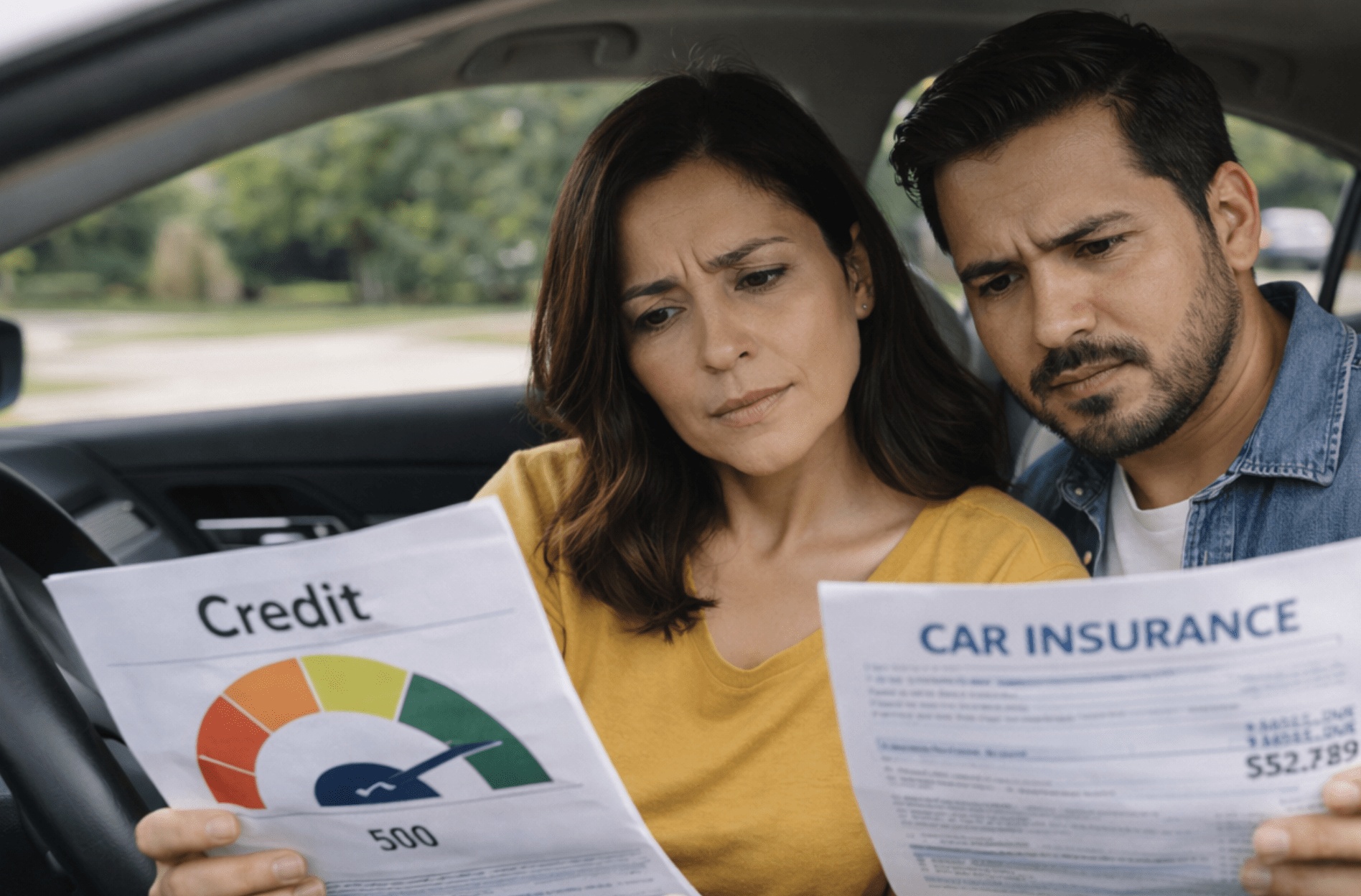
Car insurance rates in the United States are influenced by many factors, but one of the most overlooked is your credit score. Many drivers are surprised to learn that their credit profile can significantly impact how much they pay for coverage.
👉 In some cases, drivers with poor credit can pay over 100% more than those with excellent credit—even if they have the same driving history.
So why does credit score matter so much, and what can you do to reduce your insurance costs?
📊 What Is a Credit-Based Insurance Score?
Insurance companies don’t use your regular credit score directly. Instead, they use something called a credit-based insurance score.
This score is designed to predict how likely you are to file a claim. It is calculated using factors such as:
- Payment history
- Credit utilization
- Length of credit history
- Types of credit accounts
👉 While it may seem unrelated to driving, studies have shown a strong correlation between credit behavior and insurance risk.
💰 How Much Does Credit Score Affect Car Insurance?
The impact of credit score on car insurance rates can be significant.
On average:
- Excellent credit: lowest premiums
- Good credit: moderate premiums
- Poor credit: significantly higher premiums
👉 In many cases, drivers with bad credit may pay twice as much as those with excellent credit.
For example:
- Driver A (excellent credit): $120/month
- Driver B (poor credit): $240/month
👉 That’s a difference of $1,440 per year for similar coverage.
Because of these differences, many drivers look for cheap car insurance with bad credit to reduce their monthly expenses.
🚗 Why Insurance Companies Use Credit Scores
Many drivers search for cheap car insurance with bad credit, but rates can vary significantly depending on the provider.
Insurance companies use credit scores because they are strong predictors of risk.
Drivers with lower credit scores are statistically:
- More likely to file claims
- More likely to miss payments
- Associated with higher overall risk
👉 This doesn’t mean bad credit makes you a bad driver, but insurers use data patterns to set pricing.
📍 States Where Credit Score Matters Less
Not all states allow insurers to use credit scores.
For example:
- California
- Hawaii
- Massachusetts
👉 In these states, insurance companies are restricted from using credit-based pricing.
However, in most other states, credit score remains a major factor in determining premiums.
⚖️ Good Credit vs Bad Credit: Real Cost Comparison
Let’s look at a simple comparison:
Driver with Good Credit
- Monthly premium: $130
- Stable rates
- Easier access to discounts
Driver with Bad Credit
- Monthly premium: $260
- Higher risk category
- Limited discount opportunities
👉 Over time, this difference can cost thousands of dollars.
Because premiums vary widely between providers, many drivers choose to compare car insurance quotes before selecting a policy.
💡 How to Get Cheaper Car Insurance with Bad Credit
Even if you have a low credit score, there are ways to reduce your insurance costs.
1. Compare Multiple Insurance Providers
Different companies use different pricing models. Comparing options can reveal large price differences.
2. Improve Your Credit Score Gradually
Paying bills on time and reducing debt can help lower your premiums over time.
3. Increase Your Deductible
Choosing a higher deductible can reduce your monthly premium.
4. Look for Discounts
Many insurers offer:
- Safe driver discounts
- Bundling discounts
- Low mileage discounts
Because pricing models differ between insurers, comparing multiple providers is often the fastest way to reduce your premium.
👉 Taking advantage of these strategies can significantly reduce your overall insurance cost.
📉 Why Comparing Insurance Quotes Is So Important
Car insurance pricing is not standardized.
👉 For the same driver:
- One company might charge $250/month
- Another might offer $150/month
Because insurance companies evaluate risk differently, comparing quotes is often the fastest way to find better rates.
🧠 Is It Fair That Credit Score Affects Insurance?
This is a common question among drivers.
Some argue that using credit scores is unfair, while others believe it helps insurers accurately assess risk.
👉 Regardless of the debate, the reality is that credit score remains a key pricing factor in most states.
Understanding how it works can help you make better financial decisions.
🚀 Final Thoughts
Your credit score can have a major impact on how much you pay for car insurance in the United States.
👉 Drivers with poor credit often face significantly higher premiums, even with identical driving records.
👉 However, you don’t have to overpay.
By improving your credit, exploring discounts, and comparing multiple insurance providers, you can often find more affordable coverage.
👉 Insurance rates vary widely, so comparing different options is often the most effective way to find the best value for your situation.
📊 How Insurance Companies Evaluate Credit Risk
Insurance companies use complex algorithms to evaluate risk, and credit score plays a major role in this process.
They analyze patterns such as payment history, outstanding debt, and credit behavior to determine how likely a driver is to file a claim.
👉 Drivers with stable financial behavior are often seen as lower risk, which can lead to lower insurance premiums.
On the other hand, drivers with inconsistent credit history may be placed in a higher risk category, resulting in higher monthly costs.
—
⚠️ Common Mistakes That Increase Insurance Costs
Many drivers unknowingly pay more for car insurance due to avoidable mistakes.
- Not checking multiple insurance providers
- Ignoring available discounts
- Keeping a low deductible without comparing costs
- Not reviewing their policy regularly
👉 Even small mistakes can increase your premium over time.
—
📉 Long-Term Impact of Poor Credit on Insurance
Having a low credit score doesn’t just affect your insurance in the short term—it can have long-term financial consequences.
Drivers with poor credit may continue to pay higher premiums for years if no improvements are made.
👉 Over time, this can result in thousands of dollars in additional insurance costs.
This is why improving your credit score can have a lasting impact on your overall financial health.
—
💡 Practical Tips to Improve Your Insurance Rates
If you want to lower your car insurance costs, consider these practical steps:
- Pay your bills on time consistently
- Reduce outstanding debt
- Monitor your credit report regularly
- Re-evaluate your insurance policy annually
👉 Small financial improvements can lead to noticeable reductions in your insurance premium over time.
—
🚀 Final Advice
Credit score is one of the most influential factors in determining car insurance rates in the United States.
👉 While you may not be able to change your credit overnight, understanding how it affects your premium can help you make smarter decisions.
Because insurance rates vary significantly between providers, comparing different options is often the most effective way to find affordable coverage.
Insurance rates can vary widely based on your credit profile, so comparing different options is often the most effective way to find affordable coverage.